RU
RU  ES
ES  FR
FR  EN
EN  IT
IT 

Few places explain Naples better than the Fontanelle Cemetery.
Hidden inside an ancient tuff quarry in the historic Sanità district, this extraordinary ossuary is far more than a collection of human remains. It tells the story of a city that has always lived side by side with history, memory and faith, developing traditions unlike anywhere else in Europe.
Many visitors arrive expecting a dark or unsettling attraction. Instead, they discover a place of silence, reflection and popular devotion that reveals an essential part of Neapolitan identity.
If you're interested in experiencing a different side of Naples—one that goes beyond castles, churches and famous squares—the Fontanelle Cemetery is one of the city's most meaningful visits.
Thanks to the central location of Hotel Il Convento in the Spanish Quarter, reaching the cemetery is straightforward, making it an excellent half-day excursion that can easily be combined with other landmarks in the Sanità district.
| Fontanelle Cemetery at a Glance | |
|---|---|
| Location | Sanità District, Naples |
| Visit Duration | 45–60 minutes |
| Best Time to Visit | Morning or early afternoon |
| Admission | Advance booking recommended; guided visits and audio-guided visits are available |
| Difficulty | Easy |
| Distance from Hotel Il Convento | About 30 minutes by Metro and on foot or 15 minutes by taxi |
Is the Fontanelle Cemetery Worth Visiting?
Absolutely—but perhaps not for the reasons you might expect.
The Fontanelle Cemetery isn't famous because of spectacular architecture or priceless works of art. What makes it extraordinary is the story it tells.
Here, visitors encounter one of the most distinctive expressions of Neapolitan popular culture: a centuries-old relationship with memory, compassion and the anonymous victims of history.
Unlike many European ossuaries, the Fontanelle Cemetery isn't designed to shock. Its atmosphere is calm, respectful and surprisingly peaceful.
For travellers who enjoy discovering the authentic character of a destination rather than simply ticking famous attractions off a list, this is one of Naples' most rewarding experiences.
Where Is the Fontanelle Cemetery?
The cemetery is located on Via Fontanelle, in the heart of the Sanità district, one of Naples' oldest and most fascinating neighbourhoods.
For many years, relatively few visitors ventured into this area. Today, however, Sanità has become one of the city's most interesting districts thanks to major restoration projects, community initiatives and the growing popularity of its churches, historic palaces and catacombs.
Visiting the Fontanelle Cemetery also provides the perfect opportunity to discover a neighbourhood that many locals consider one of Naples' most authentic.
How to Get There from Hotel Il Convento
One of the advantages of staying at Hotel Il Convento is its excellent connection with Naples' public transport network.
From the hotel, walk to Toledo Metro Station, which is only a few minutes away on foot. From there, travel towards the area of the National Archaeological Museum before continuing into the Sanità district.
The route is relatively straightforward and allows you to combine your visit with other important landmarks nearby.
If you prefer a more comfortable option, especially during the warmer months, a taxi reaches the Fontanelle Cemetery in approximately fifteen minutes.
Many guests choose this solution, particularly when planning to explore several attractions in the Sanità district during the same morning or afternoon.
Visitor Information
Following its reopening in 2026, visits to the Fontanelle Cemetery are organised in limited-entry time slots.
We recommend booking your visit before you arrive in Naples rather than relying on any remaining availability on the day. Different visit options are available, including audio-guided and guided visits.
If this is your first visit, we particularly recommend choosing a guided tour. The cemetery is fascinating in itself, but much of its significance lies in the stories surrounding the skulls, the cult of the anime pezzentelle and Naples' distinctive relationship with memory and popular devotion.
If you're planning the rest of your stay as well, our guide to what to book in advance in Naples explains which other attractions are worth organising before you travel.
What Makes the Fontanelle Cemetery So Unique?
Across Europe there are many historic cemeteries, crypts and ossuaries.
The Fontanelle Cemetery, however, is unlike any of them.
Rather than celebrating prominent historical figures, it preserves the memory of thousands of ordinary people whose names have been lost over the centuries.
It is this quiet tribute to anonymous lives that makes the site so moving.
Visitors often leave surprised—not because they have seen something frightening, but because they have discovered a completely different way of understanding memory, community and compassion.
What You'll See Inside the Fontanelle Cemetery
Stepping inside the Fontanelle Cemetery is unlike entering any museum or church in Naples.
The temperature drops slightly, the sounds of the city disappear and the vast underground space opens before you. Carved into the soft volcanic tuff, the quarry stretches for thousands of square metres, creating an atmosphere that is surprisingly peaceful rather than unsettling.
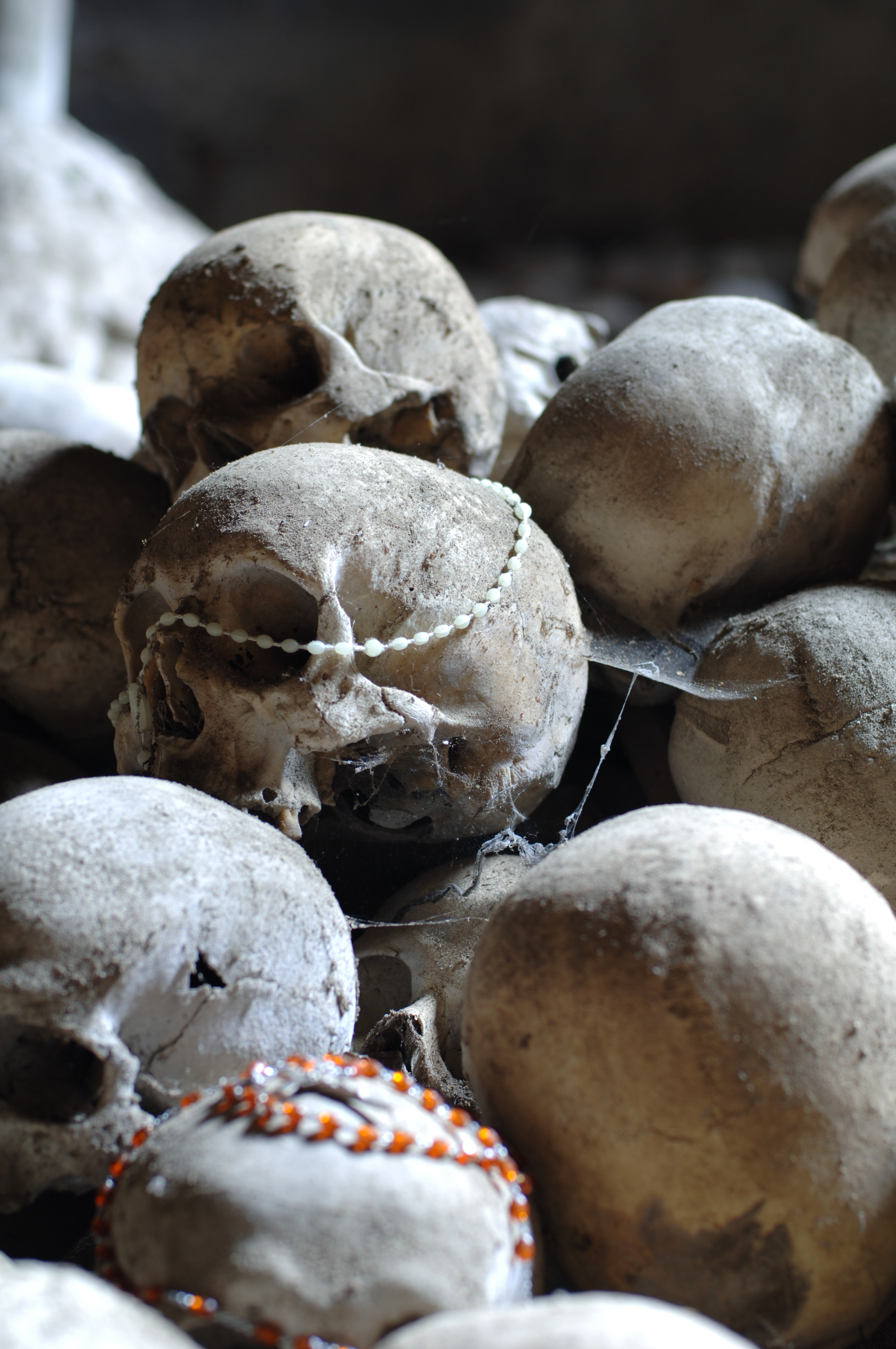
Rows of skulls and bones, carefully arranged over the centuries, line the walls and fill the large chambers. At first glance, the sheer number of human remains is striking. Yet after a few minutes, most visitors notice something else: the silence.
It is this silence that leaves the deepest impression.
Unlike many historic burial sites, the Fontanelle Cemetery doesn't celebrate kings, nobles or famous personalities. It preserves the memory of ordinary people whose identities have long since disappeared.
The Story Behind the Cemetery
The history of the Fontanelle Cemetery is closely linked to the dramatic events that shaped Naples over the centuries.
The underground quarry had existed long before it became a burial site. Its volcanic tuff provided much of the stone used to build the city, leaving behind enormous underground caverns.
Beginning in the sixteenth century, these empty spaces gradually became a place where the remains of victims of epidemics, famine and poverty were gathered.
The most devastating event came in 1656, when a terrible plague swept through Naples, killing a large part of the population. Thousands of victims were buried here, followed over the centuries by those who died during later epidemics, including the cholera outbreaks of the nineteenth century.
As the number of remains continued to grow, the quarry slowly transformed into one of the largest ossuaries in southern Italy.
Today, walking through its galleries means walking through several centuries of Naples' history.
The Cult of the Anime Pezzentelle
What truly distinguishes the Fontanelle Cemetery from other ossuaries is the remarkable tradition known as the cult of the Anime Pezzentelle, literally "the poor souls."
For generations, many Neapolitans believed that the anonymous dead deserved to be remembered just as much as those buried beneath elaborate monuments.
Families and individuals would symbolically "adopt" a skull, carefully cleaning it, placing it on a small cloth and offering prayers for the unknown soul.
In return, they hoped to receive protection, comfort or spiritual guidance in their own lives.
This was never seen as superstition alone. For many people, it represented an act of compassion towards those who had died without family, without a name and without anyone left to remember them.
Although this practice is no longer officially encouraged, its memory remains one of the most fascinating expressions of Neapolitan popular devotion.
A Different Way of Understanding Death
Visitors from abroad are often surprised by the atmosphere of the Fontanelle Cemetery.
In many cultures, places associated with death inspire fear or sadness.
Naples has traditionally approached the subject differently.
Throughout history, death has been considered part of everyday life rather than something to hide. Faith, humour, resilience and remembrance have often existed side by side, creating traditions that may seem unusual to outsiders but feel entirely natural within the city's cultural identity.
The Fontanelle Cemetery reflects this perspective perfectly.
Rather than celebrating death itself, it celebrates memory and the importance of not leaving anyone forgotten.
The Sanità District: One of Naples' Most Fascinating Neighbourhoods
A visit to the Fontanelle Cemetery is also an opportunity to discover the Sanità district, an area that has experienced an extraordinary cultural revival in recent years.
Originally developed outside the ancient Greek walls of Naples, Sanità later became home to noble palaces, churches and important religious institutions.
Today, it combines magnificent Baroque architecture with lively streets, local markets and a strong sense of community that continues to define everyday life.
Many travellers who initially visit only for the Fontanelle Cemetery end up spending several hours exploring the neighbourhood.
What to See Nearby
If time allows, consider combining your visit with some of Sanità's most remarkable landmarks.
- The Catacombs of San Gennaro, one of the largest and most important early Christian burial sites in southern Italy.
- The Catacombs of San Gaudioso, famous for their fascinating Baroque funerary traditions.
- The Basilica of Santa Maria della Sanità, one of Naples' finest Baroque churches.
- Palazzo dello Spagnolo, celebrated for its spectacular double staircase.
- Palazzo Sanfelice, another masterpiece of eighteenth-century Neapolitan architecture.
Together, these sites reveal a side of Naples that many visitors never discover, despite being only a short distance from the historic centre.
A Place That Stays With You
Most travellers leave the Fontanelle Cemetery with the same feeling.
They expected to visit an unusual monument.
Instead, they found themselves reflecting on history, memory and the remarkable humanity that has shaped Naples for centuries.
It is not a frightening place.
It is, above all, a deeply moving one.
Best Time to Visit the Fontanelle Cemetery
The Fontanelle Cemetery can be visited throughout the year, but some periods offer a more enjoyable experience than others.
Morning visits are usually the best choice. The atmosphere is quieter, temperatures are cooler—especially during the summer—and you'll have more time to continue exploring the Sanità district afterwards.
Because the cemetery is located inside a former tuff quarry, the temperature remains pleasantly cool even on the hottest days, making it an excellent destination during Naples' summer months.
Once you have chosen the day for your visit, check the available time slots and book in advance, particularly if you would like to join a guided tour.
Practical Tips for Your Visit
- Wear comfortable shoes. Although the visit itself is easy, the surrounding streets of the Sanità district include gentle slopes and uneven pavements.
- Allow at least one hour for the cemetery, plus extra time if you plan to visit nearby attractions.
- Bring water during the warmer months.
- Respect the peaceful atmosphere by speaking quietly throughout your visit.
- If this is your first time exploring the Sanità district, consider dedicating half a day to the area rather than visiting only the cemetery.
Common Mistakes to Avoid
The Fontanelle Cemetery offers a very different experience from Naples' more famous attractions. A little preparation can make your visit even more rewarding.
- Don't expect a traditional museum. This is a place of memory and popular devotion rather than a conventional tourist attraction.
- Don't rush through the visit. The atmosphere is part of the experience, and taking your time allows you to appreciate its unique character.
- Don't skip the Sanità district. Some visitors arrive by taxi, visit the cemetery and leave immediately. The surrounding neighbourhood is one of the most fascinating areas of Naples and deserves to be explored.
- Don't overlook nearby landmarks. The Catacombs of San Gennaro, the Basilica of Santa Maria della Sanità and Palazzo dello Spagnolo are all within easy walking distance.
Frequently Asked Questions
Where is the Fontanelle Cemetery?
The cemetery is located on Via Fontanelle, in Naples' historic Sanità district, about 15 minutes by taxi from Hotel Il Convento.
Do I need to book the Fontanelle Cemetery in advance?
We recommend booking before your visit. Access is organised in limited-entry time slots, and booking ahead is particularly worthwhile if you want a guided tour rather than relying on any remaining availability on the day.
How long does a visit take?
Most visitors spend between 45 minutes and one hour inside the cemetery.
Is the Fontanelle Cemetery suitable for children?
This depends on the child. While the atmosphere is peaceful rather than frightening, the presence of thousands of human remains may be unsettling for younger or more sensitive visitors.
Can I combine the Fontanelle Cemetery with other attractions?
Yes. The cemetery is ideally combined with the Catacombs of San Gennaro, the Catacombs of San Gaudioso and the Basilica of Santa Maria della Sanità, all located within the Sanità district.
Discovering Another Side of Naples
Naples is often described through its lively streets, world-famous pizza and spectacular views across the Gulf. Yet places like the Fontanelle Cemetery reveal a quieter side of the city—one shaped by memory, resilience and an extraordinary sense of community.
It is a place that encourages visitors to slow down, reflect and understand a tradition that has few parallels elsewhere in Europe.
If your itinerary allows, spend some time wandering through the Sanità district after your visit. Its churches, historic palaces and vibrant streets tell another chapter of Naples' story—one that many travellers sadly miss.
And once you're back in the city centre, you'll probably look at Naples with different eyes.