RU
 ES
 FR
 EN
 IT


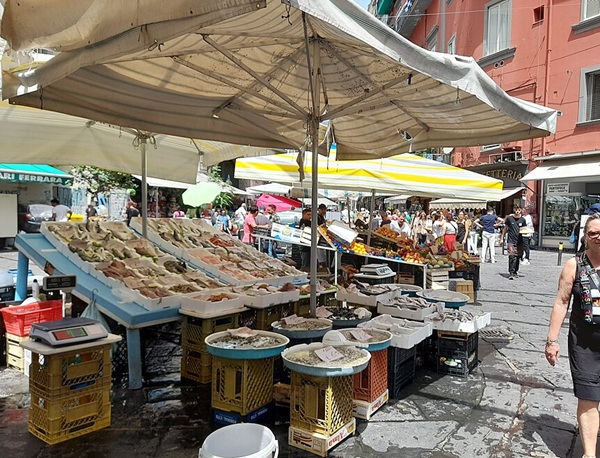
Just a short walk from Via Toledo, Pignasecca Market is part of the everyday life of Naples. Some locals stop to choose fresh fish for lunch, others buy vegetables, while others gather around a traditional fried-food shop. Among fruit stalls, small shops and the voices of street vendors, a walk through the market becomes an opportunity to discover Naples through its daily habits.
For guests staying at Hotel Il Convento, it is an easy visit to organise on foot, perhaps combined with a walk through the Spanish Quarters or the historic centre.
Pignasecca Market at a glance
- Location: Montecalvario neighbourhood, between Via Toledo, Piazza Carità and Montesanto.
- What to see: fishmongers, fresh produce stalls, traditional shops and local street life.
- What to eat: cuoppo, Neapolitan fried food, tripe specialities and street food.
- Best time to visit: in the morning, preferably before lunch.
- Recommended visit: about one hour, longer if you want to eat or shop.
- Admission: free.
- Metro: Toledo (Line 1) or Montesanto (Line 2).
- From Hotel Il Convento: approximately 10–15 minutes on foot.
Where is Pignasecca Market?
Pignasecca is located in the Montecalvario neighbourhood, between Via Toledo, Piazza Carità and Montesanto, next to the northern part of the Spanish Quarters.
The market stretches along Via Pignasecca and the surrounding streets. There is no single entrance: you simply walk into the lively atmosphere among outdoor stalls, grocery shops, fishmongers and traditional businesses. Its central location makes it easy to include in a walking tour of Naples.
The history of Pignasecca and the origin of its name
Pignasecca is home to one of the best-known historic markets in Naples. Its commercial identity is closely connected to neighbourhood life, where everyday shopping still takes place in the streets, through direct contact between customers and vendors.
The name is traditionally associated with a pine tree, or "pigna" in Neapolitan. According to one explanation passed down through generations, after changes to the land in this area, only one tree remained, which eventually dried out.
There is also a legend, told in several versions, involving a group of magpies. The birds supposedly hid stolen objects among the branches, and an excommunication is said to have caused the trees to wither.
These are popular stories rather than documented historical explanations. However, they preserve something characteristic of Naples: its ability to connect a place with a memorable story.
What to see at Pignasecca Market
Fishmongers and fresh produce stalls
Fishmongers are among the most characteristic features of the area. Alongside them, you will find fruit and vegetable sellers, delicatessens and grocery shops. The experience changes with the seasons and with the products arriving at the stalls each day.
Our advice is to take your time and observe. Visiting the market also means listening to conversations, reading handwritten price signs and discovering ingredients you may never have seen before.
Traditional shops and neighbourhood life
At Pignasecca, shopping blends naturally with everyday activities. Between deliveries, greetings and coffee breaks, you can experience the rhythm of a neighbourhood visited by both residents and travellers.
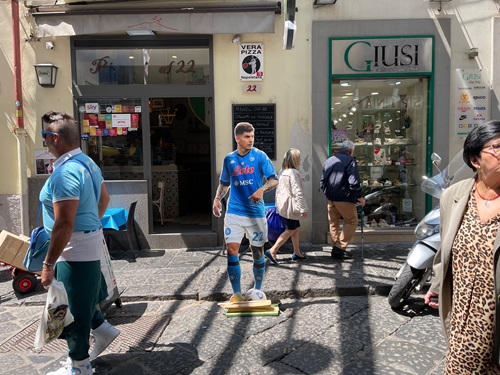
For photography enthusiasts, there are plenty of interesting details: shop signs, colourful food displays and glimpses of narrow streets. Before taking close-up photographs of vendors or customers, it is always polite to ask permission.
What to eat at Pignasecca Market
A visit to Pignasecca is also an excellent opportunity to discover Neapolitan street food. Arrive with an appetite and choose what to try as you explore the market, watching what is being freshly prepared.
Cuoppo and Neapolitan fried food
A cuoppo is a paper cone filled with fried specialities. Depending on the shop and the ingredients available that day, it may contain seafood or traditional savoury snacks.
Among the foods worth trying are crocchè (potato croquettes), zeppoline (small fried dough balls), pasta frittatas and fried vegetables. They are best enjoyed freshly cooked.
Traditional Neapolitan specialities
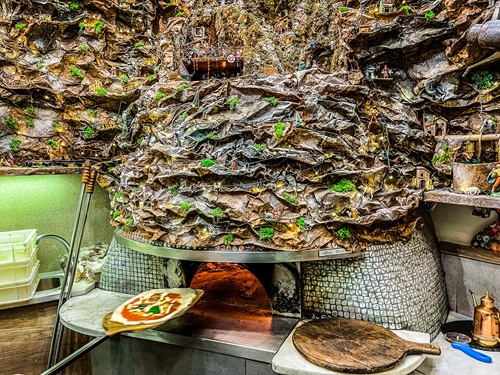
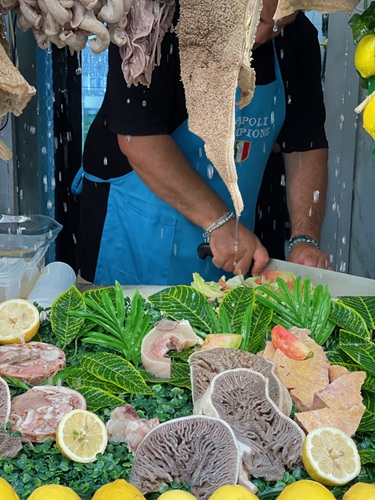
Among the places associated with local food traditions is Fiorenzano, also known for its tripe specialities. Visitors interested in discovering less familiar flavours can look for pere e 'o musso, a cold preparation from traditional Neapolitan cuisine.
In the Porta Medina area, Pescheria Azzurra is also known for its fried seafood cuoppo. Bakeries and delicatessens offer other possibilities for a quick snack, including sandwiches and taralli sugna e pepe, savoury biscuits made with lard and black pepper.
Menus, prices and opening hours should always be checked directly with each business.
Discover authentic Naples from its heart
Stay at Hotel Il Convento in the Spanish Quarters, just a short walk from Via Toledo, Pignasecca Market and the historic centre of Naples.
BOOK YOUR STAYPignasecca Market opening hours: when to visit
We recommend visiting in the morning, preferably on a weekday and before lunchtime. This is generally the best time to see the market stalls in full activity and enjoy a few local specialities.
As Pignasecca is a street market made up of independent businesses, it is important to distinguish between the hours of outdoor stalls and those of shops and restaurants. Some businesses may remain open in the afternoon, while the market itself becomes quieter.
On Sundays and public holidays, particularly if you want to visit a specific shop, we recommend checking its opening hours in advance.
How to get to Pignasecca Market
Walking from Hotel Il Convento
From Hotel Il Convento, located at Via Speranzella 137/A, allow approximately 10–15 minutes on foot, depending on your route and walking pace.
Walk towards Via Toledo and continue to Piazza Carità, heading in the direction of Piazza Dante. From here, turn into Via Pignasecca and continue towards Montesanto, walking through the market area. The estimated time is intended to help you plan your visit.
By metro
The most convenient stations are:
- Toledo, Line 1: continue on foot towards Piazza Carità and Via Pignasecca.
- Montesanto, Line 2: convenient for reaching the market from the Montesanto side.
If you are arriving from Napoli Centrale railway station, Line 2 from Piazza Garibaldi to Montesanto is a practical option. Before travelling, check for any service changes on the relevant transport operators' websites.
Funicular, Cumana and Circumflegrea
The area is also served by the Montesanto Funicular and the terminals of the Cumana and Circumflegrea railways. The Line 2 station is separate from the other transport facilities but is located nearby.
A walking itinerary from Pignasecca to the historic centre
For a relaxed morning in Naples, we suggest the following route:
- Start from Hotel Il Convento and walk along Via Toledo.
- Reach Piazza Carità and enter Via Pignasecca.
- Explore the market stalls and traditional shops, stopping to taste something local.
- Continue towards Montesanto.
- Walk towards Piazza Dante and Port'Alba, or head towards Piazza del Gesù and Spaccanapoli.
For the market alone, we suggest allowing about one hour, with extra time if you want to shop or stop for food.
Practical information for your visit
- Admission: free, with no ticket required.
- Best time: in the morning, before lunch.
- Footwear: comfortable shoes suitable for some uneven paving.
- Payments: carrying a little cash in small denominations can be useful for minor purchases.
- Accessibility: crowds, market stalls and narrow passages can make the route more difficult with pushchairs or wheelchairs.
- Food shopping: if you plan to continue walking for several hours, consider how to store perishable products.
Tips from Hotel Il Convento
Pignasecca is one of those places in Naples that we recommend exploring without rushing. It is not a market created just for tourists: it is, above all, a place where Neapolitans still shop, meet friends and stop for a conversation.
Our suggestion is to arrive in the middle of the morning, when the stalls are lively, and avoid planning a large lunch immediately afterwards. Between a pasta frittata, a cuoppo and other traditional snacks, it is easy to be tempted.
If you have never tried pere e 'o musso or Neapolitan tripe, this is a good opportunity to discover a less familiar side of the city's culinary traditions.
Finally, do not limit your visit to the main market street. Look at the small shops and the surrounding alleyways too. This is where you can experience everyday Naples, away from the city's most famous monuments.
For guests staying at Hotel Il Convento, Pignasecca can easily become part of a longer walk. If your time in Naples is limited, you can also include it in our Naples in 2 days itinerary.
Frequently asked questions about Pignasecca Market
Where is Pignasecca Market in Naples?
It is in the Montecalvario neighbourhood, between Piazza Carità, Via Toledo and Montesanto, close to the Spanish Quarters.
Is Pignasecca Market free to visit?
Yes. The market takes place along public streets and admission is free.
What is the best time to visit Pignasecca Market?
We recommend visiting in the morning before lunch. Market stalls, shops and restaurants operate independently and may have different opening hours.
What should I eat at Pignasecca Market?
Fried seafood cuoppo, potato croquettes, traditional zeppoline, seaweed zeppoline and pasta frittatas are among the specialities to look for. The area is also known for tripe dishes and other traditional Neapolitan foods.
How far is Pignasecca Market from Hotel Il Convento?
Approximately 10–15 minutes on foot, walking via Via Toledo and Piazza Carità.
Experience authentic Naples with Hotel Il Convento
Stay in the heart of the Spanish Quarters, just steps from Via Toledo and within walking distance of Pignasecca Market. Book your stay directly with us.
BOOK NOW