RU
RU  ES
ES  FR
FR  EN
EN  IT
IT 

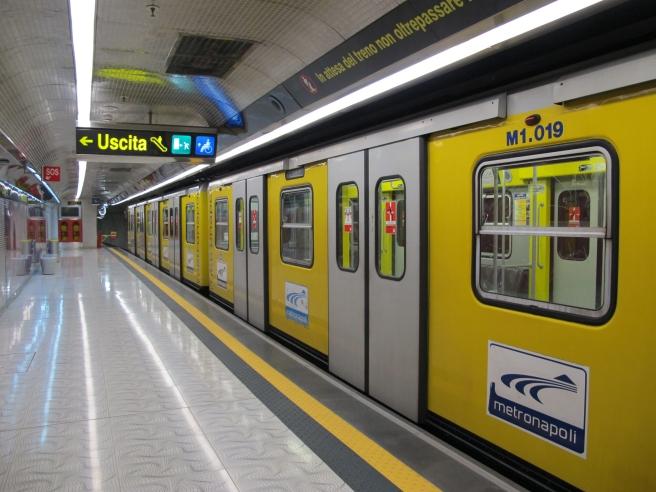
If you're staying in central Naples and want to explore Pozzuoli, Baia or the Phlegraean Fields, two local railway lines can take you west of the city: the Cumana and Circumflegrea.
Both are operated by EAV (Ente Autonomo Volturno) and depart from Montesanto Station, conveniently located between the historic centre and the Spanish Quarter. The Montesanto Funicular also leaves from the same area; you can learn more in our complete guide to Naples' funiculars.
The two railway lines, however, follow very different routes. The Cumana runs mainly along the coastal side of the Phlegraean area, passing through Fuorigrotta, Bagnoli and Pozzuoli before continuing towards Baia and Torregaveta. For visitors, this is generally the more useful of the two lines.
The Circumflegrea follows a more inland route through areas such as Soccavo, Pianura and Quarto towards Licola.
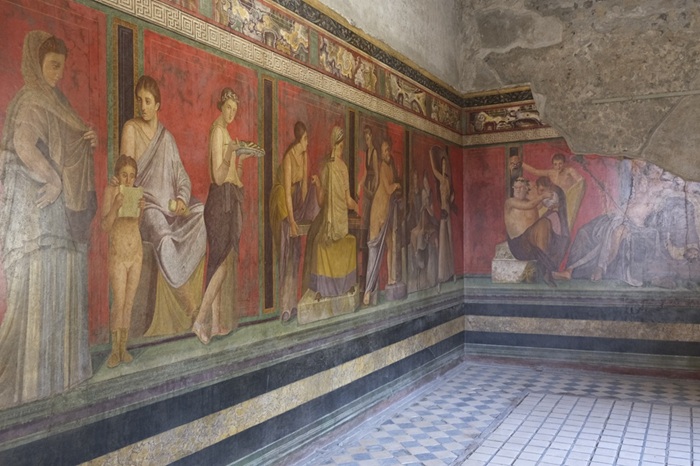
If you're planning to explore beyond central Naples, the Cumana is particularly interesting: one local train can take you from the heart of the city towards archaeological sites, volcanic landscapes, lakes and the coast of the Phlegraean Fields.
Cumana and Circumflegrea at a glance
- Operator: EAV – Ente Autonomo Volturno
- Departure station in Naples: Montesanto
- Cumana: Montesanto – Torregaveta
- Circumflegrea: Montesanto – Licola
- Tickets: available from ticket offices, vending machines and EAV digital channels
- Contactless payment: Tap&Go is available at enabled stations
- Frequency: varies according to the line and time of day
- Our advice: always check the latest EAV timetable and service updates before travelling, particularly on Sundays and public holidays.
The Cumana: the most useful stops for visitors
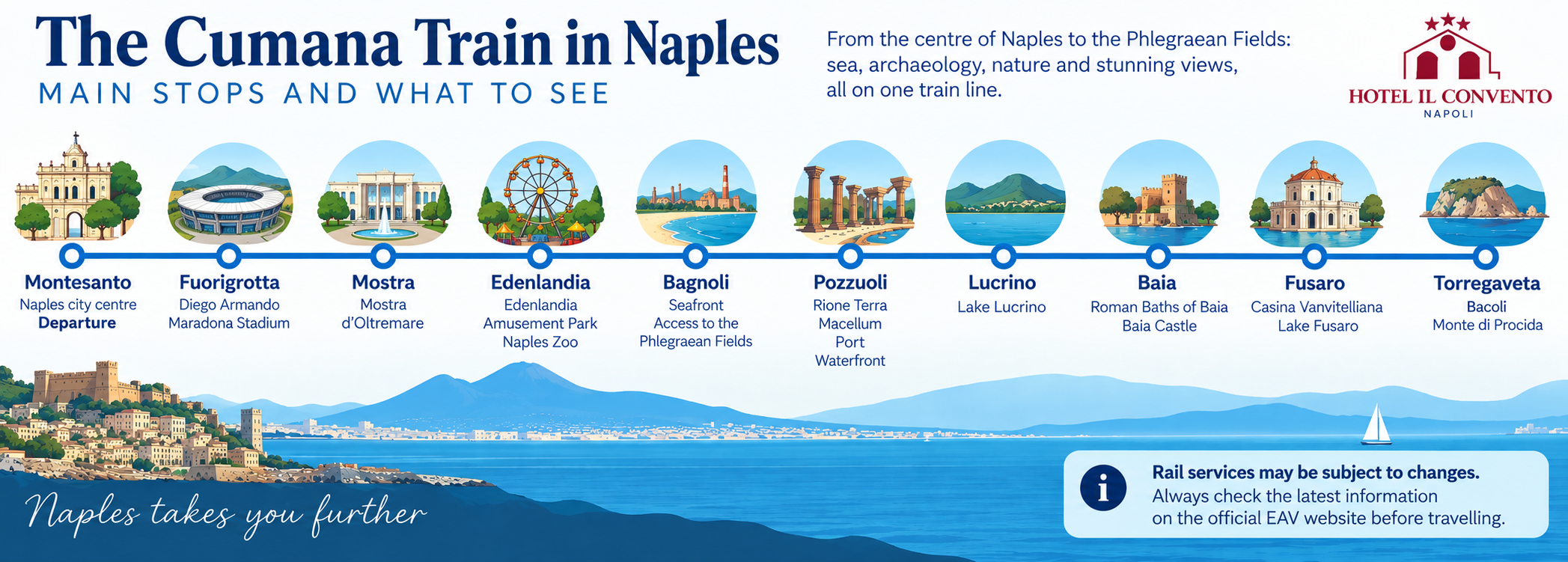
If you're wondering which Cumana stop you need, this simple route map shows the stations that are most useful for sightseeing and what you can reach from each one.
Montesanto → Fuorigrotta → Mostra → Edenlandia → Bagnoli → Pozzuoli → Lucrino → Baia → Fusaro → Torregaveta
Rail services may change. Always check the latest information on the official EAV website before travelling.
The Cumana leaves Montesanto and crosses western Naples before reaching Pozzuoli and continuing through the Phlegraean Fields.
Even Montesanto Station itself is worth a quick look. Its walls feature black-and-white photographs by Mimmo Jodice, one of Naples' best-known contemporary photographers.
Just as on Naples' famous Art Stations, which we cover in our Naples Metro Guide, even an ordinary journey on public transport can offer an unexpected encounter with art.
Which Cumana stops are worth visiting?
Fuorigrotta
This stop is particularly useful for reaching the Diego Armando Maradona Stadium and the western part of Naples. If you're staying at Hotel Il Convento and planning to attend a Napoli match, the Cumana is therefore one of the transport options worth considering.
Mostra
Use this stop for the Mostra d'Oltremare, one of Naples' main exhibition and event venues.
Edenlandia
This station is convenient for Edenlandia, Naples' historic amusement park, and Naples Zoo, making it particularly useful for families travelling with children.
Agnano
Agnano serves the western outskirts of Naples and the area around the racecourse. For most visitors, it is less important than Bagnoli, Pozzuoli or Baia.
Bagnoli
Bagnoli is one of the gateways to the Phlegraean Fields. From here you can reach the waterfront and the Coroglio area, discovering a side of Naples that feels very different from the historic centre.
Pozzuoli
Pozzuoli is one of the most interesting stops on the entire Cumana line. It is well worth spending at least half a day here.
You can explore the historic centre, Rione Terra, the port and waterfront, and the Macellum – commonly known as the Temple of Serapis – while discovering one of the most important towns in the Phlegraean Fields.
Lucrino
The station is close to Lake Lucrino and provides a useful starting point for exploring this part of the Phlegraean Fields.
Baia
Baia is one of the stops to remember if you want to spend a day exploring the extraordinary Roman heritage of the Phlegraean Fields.
The area is home to the Archaeological Park of the Baths of Baia. Nearby you'll also find the Castle of Baia and the Archaeological Museum of the Phlegraean Fields, one of the most fascinating excursions you can make from Naples.
Fusaro
Get off here for Lake Fusaro and the beautiful Casina Vanvitelliana, the small eighteenth-century royal hunting lodge built on an islet in the lake and now one of the most recognisable sights in the Phlegraean Fields.
Torregaveta
Torregaveta is the terminus of the Cumana line. By this point you're between Bacoli and Monte di Procida, in a coastal area popular with locals, particularly during the summer months.
Discover Naples, Stay in Its Heart
At Hotel Il Convento, in the heart of Naples' Spanish Quarter, you're just a short walk from Via Toledo and the city's main attractions. Book directly with us and discover our exclusive rates.
BOOK YOUR STAYHow long does the Cumana take?
Under normal operating conditions, the complete journey from Montesanto to Torregaveta takes approximately 40–45 minutes, depending on the service.
Train frequency varies according to the time of day, Sundays, public holidays and temporary service changes.
We therefore recommend checking the latest EAV timetable before setting out, especially if you're planning a day trip and need to return to Naples at a specific time.
September 2026 update: temporary disruption on the Cumana
Important: visitors travelling in September 2026 should be aware of a temporary change to the service.
Following the seismic event of 31 July 2026, EAV temporarily suspended Cumana rail services between Bagnoli and Torregaveta until further notice.
A replacement bus service is operating. If you're planning to travel to Pozzuoli, Baia, Fusaro or Torregaveta, check the latest EAV information before leaving to see whether normal rail services have resumed.
The Circumflegrea: the other railway into the Phlegraean Fields
The Circumflegrea is less familiar to international visitors but is another important part of the railway network serving western Naples.
Like the Cumana, it starts at Montesanto. Instead of following the coastal route, however, it travels inland through western Naples towards Quarto and Licola.
Some of its main stops are:
Montesanto → Soccavo → Rione Traiano → Pianura → Pisani → Quarto → Licola
For most tourists it is less useful than the Cumana, but it can be convenient if your destination is in the inland western districts or around Quarto and Licola.
Circumflegrea timetable
The Circumflegrea generally runs less frequently than the Cumana.
Timetables can change throughout the year and may also be affected by engineering works or temporary service alterations. Always check the current EAV timetable before travelling, particularly if you're heading to one of the stations farther from Montesanto.
Cumana or Circumflegrea: which one should you take?
The answer depends entirely on where you're going.
For Fuorigrotta, Bagnoli, Pozzuoli, Lucrino, Baia, Fusaro and Torregaveta, the Cumana is the line you'll normally need.
The Circumflegrea is more useful for Soccavo, Pianura, Quarto and Licola.
Although both lines leave from Montesanto and travel through western Naples, they follow different routes and should not be considered interchangeable.
How much do Cumana and Circumflegrea tickets cost?
EAV fares depend on the journey and destination, so there is no single fare that applies to every Cumana or Circumflegrea trip.
For visitors, the simplest option is to check the fare for your destination when purchasing your ticket.
Tickets are available through EAV sales channels, including ticket offices, vending machines and digital services. At enabled stations you can also use the Tap&Go contactless payment system.
If you're planning to use the metro, buses and funiculars as well during your stay, our guide to Naples public transport tickets explains the different ticket types and helps you choose the most convenient option.
Montesanto: leaving for the Phlegraean Fields from central Naples
One of the biggest advantages of both the Cumana and Circumflegrea is the location of Montesanto Station.
It lies right in central Naples, close to the Spanish Quarter, Pignasecca and Via Toledo. The Montesanto Funicular also departs from the same area.
For guests staying at Hotel Il Convento, this means you can set off towards the Phlegraean Fields without first travelling to Naples Central Station.
In less than an hour, the scenery can change completely: from the narrow streets of central Naples to the waterfront of Pozzuoli, volcanic lakes and some of the most fascinating archaeological sites west of the city.
One final tip before you travel
The Cumana and Circumflegrea are local railway lines used every day by commuters; they are not tourist-only services. Timetables, restrictions and operating arrangements can therefore change.
Always check the latest EAV timetable and service notices before travelling, particularly if you're planning to visit Pozzuoli, Baia, Fusaro or Torregaveta.
For travellers who want to see more than Naples' best-known city-centre attractions, these railway lines provide an excellent introduction to the Phlegraean Fields: a remarkable landscape of archaeology, sea, volcanic lakes and historic towns just west of Naples.
Information checked in September 2026. Timetables and service conditions may change; always check the latest official EAV information before travelling.
Discover Naples, Stay in Its Heart
At Hotel Il Convento, in the heart of Naples' Spanish Quarter, you're just a short walk from Via Toledo and the city's main attractions. Book directly with us and discover our exclusive rates.
BOOK YOUR STAY