RU
 ES
 FR
 EN
 IT



Visiting the Naples National Archaeological Museum means discovering the ancient world through monumental sculptures, painted walls, everyday objects and furnishings that once belonged to Roman homes.
Known as MANN, the museum is an essential stop during a stay in Naples, especially if you are also planning to visit Pompeii or Herculaneum.
At the archaeological sites, you walk through ancient streets and houses; here, you can see many of the artworks and objects that help you imagine the lives of their inhabitants.
From our Hotel Il Convento, you can reach the museum by metro or enjoy a walk through the city centre. Here is how to organise your visit, choose which collections to explore and continue your day in the surrounding area.
Naples Archaeological Museum at a glance
- Address: Piazza Museo 18/19, near Piazza Cavour and Naples historic centre.
- Don't miss: Farnese Collection, Vesuvian frescoes, Villa of the Papyri and everyday Roman objects.
- Recommended visit: approximately 2–3 hours for a first selection of highlights; half a day for a more detailed visit. These are approximate times, depending on your interests.
- Regular opening hours: 9:00 am–7:30 pm; ticket office until 6:30 pm, closing procedures from 7:00 pm.
- Weekly closing day: Tuesday, except for possible changes during public holidays.
- Full-price ticket: €20.
- Getting there: Metro Line 1, Museo station; Metro Line 2, Piazza Cavour station.
- From Hotel Il Convento: Line 1 from Toledo station or approximately 30–35 minutes on foot, without stops.
Updated 3 November 2026: according to the official museum schedule, the Mosaics and Secret Cabinet sections are closed for rearrangement from 21 September to 30 November 2026. The Epigraphic Collection is also listed as closed. Some collections have reduced opening hours or operate on a rotating schedule. Check the official collection opening schedule before your visit.
The Farnese Collection: monumental sculptures from antiquity
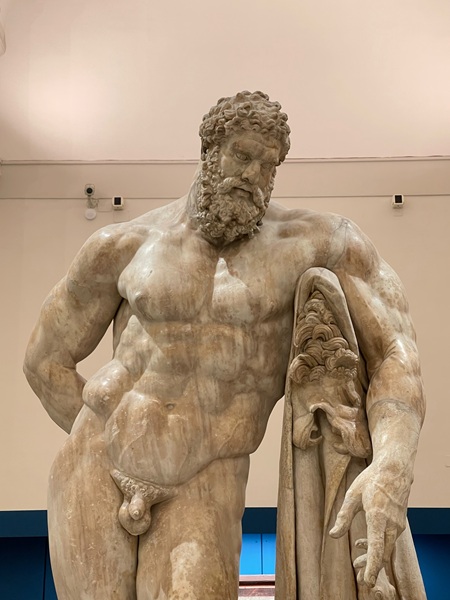
The Farnese Collection is an excellent starting point for first-time visitors to MANN. Among its most famous masterpieces are the Farnese Hercules, the Farnese Bull and the Farnese Atlas.
The impressive size of these sculptures encourages visitors to stop and admire them, but it is also worth looking closely at the details: a hand, the movement of a body or the expression on a face. You do not need to know every story from classical mythology to appreciate them.
The collection originated from the art collections of the Farnese family and eventually reached Naples through the inheritance of Elisabeth Farnese and the decisions of the Bourbon rulers.
Our advice: visit these rooms while you still have plenty of energy, and take time to appreciate more than just the best-known masterpieces.
Roman frescoes: rediscovering the colours of the Vesuvian cities
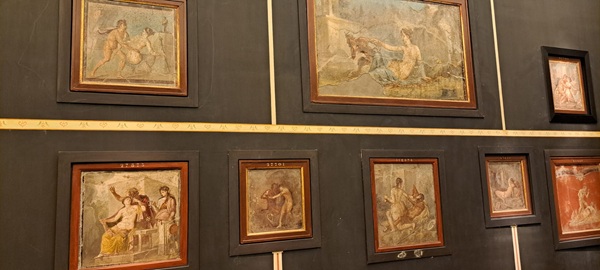
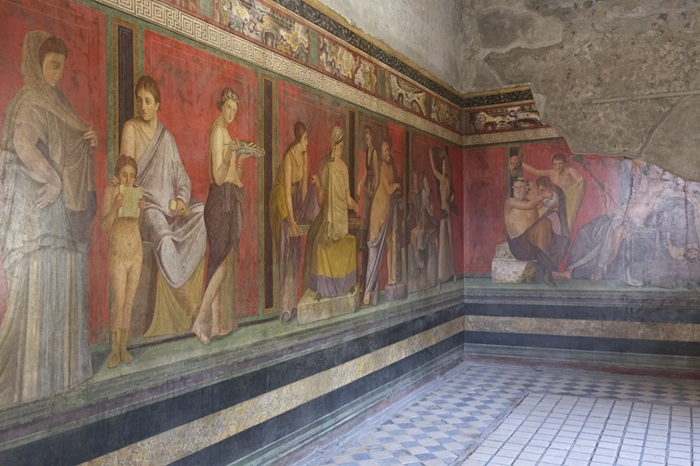
This section offers an opportunity to discover Roman painting through decorations recovered from the ancient cities around Mount Vesuvius.
Mythological scenes, still lifes and painted figures help visitors imagine domestic interiors that may look very different today when exploring the archaeological sites.
These galleries also tell the story of the earliest excavations. During the Bourbon period, many paintings were detached from walls, with selected sections preserved as individual artworks. Museum displays help reconstruct the original contexts in which they were discovered.
What to look for: notice the details of painted architecture and the objects represented in the scenes. They offer an immediate glimpse into the tastes and imagination of the ancient inhabitants.
Everyday objects and furnishings from Roman homes
The collections dedicated to everyday objects from the Vesuvian area and furnishings from Roman houses shift the focus from monuments to people.
A useful way to explore these galleries is to ask a simple question: what was everyday life like inside a Roman home?
Observing the objects and reading about their original functions makes the experience more tangible, especially for visitors exploring the museum with children or teenagers.
Try combining these rooms with the fresco galleries, imagining how the different elements once belonged together. Decorations, furniture and household tools become more meaningful when viewed as parts of the same living environment.
The Villa of the Papyri in Herculaneum
The Villa of the Papyri collection brings together discoveries from a magnificent Roman residence in Herculaneum, buried by the eruption of Mount Vesuvius in AD 79.
Among its most celebrated works are the Runners, the Resting Hermes and the Drunken Satyr. These bronze sculptures deserve particular attention for their natural poses and their ability to suggest movement even while standing still.
The villa takes its name from the discovery of a library containing carbonised papyrus scrolls. The scrolls are preserved and studied at the National Library of Naples, so the MANN collection should not be confused with the institution responsible for preserving the ancient library.
Practical information: according to the schedule valid until 30 November 2026, this section is open from 10:00 am to 6:20 pm. Check for updates before your visit.
The Egyptian Collection and other galleries
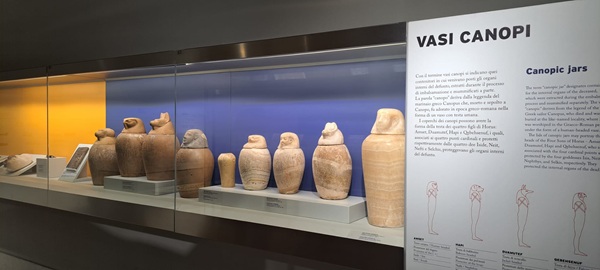
MANN offers much more than Roman and Vesuvian archaeology. The Egyptian Collection, Magna Graecia and the galleries dedicated to prehistory provide additional routes to explore according to your interests.
There is no need to include every collection in a single visit. After the first two hours, consider whether you still feel like exploring or would prefer to save some of the museum for another occasion.
Important: some sections have rotating opening schedules. On free-admission days, the museum also announces specific restrictions, including the closure of the Egyptian and Magna Graecia collections.
Mosaics and the Secret Cabinet: what to know before visiting
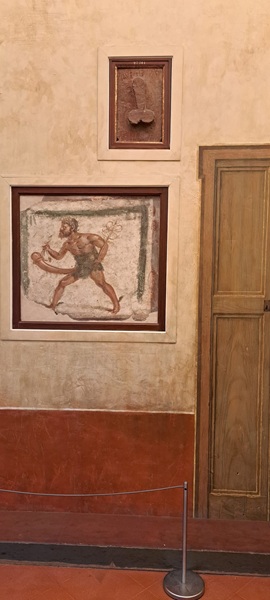
Among MANN's collections are the famous mosaics and the Secret Cabinet, which houses ancient objects and artworks depicting erotic subjects.
These are among the sections most frequently searched for by visitors, but their inclusion in guidebooks does not guarantee that they will be accessible on the day of your visit.
At the time of this article's update, both sections are closed for rearrangement until 30 November 2026. If they are your main reason for visiting the museum, consult the official museum notices before purchasing your ticket.
The same applies to individual artworks: restoration work, loans and changes to exhibition rooms may affect their availability.
Discover Naples from the heart of the city
Stay at Hotel Il Convento in the Spanish Quarters and explore the Naples National Archaeological Museum, the historic centre and the city's main attractions on foot or by metro.
BOOK YOUR STAYThe history of the Naples National Archaeological Museum
The formation of the museum's collections is closely connected with the Bourbon dynasty and the eighteenth-century excavations of Herculaneum and Pompeii. Together with the Farnese Collection, these discoveries formed the museum's two main historical collections.
The building that houses MANN was originally intended as a cavalry barracks and was later used as a university building. In 1816, it became the Royal Bourbon Museum, before being renamed the National Museum in 1860.
Another important change took place in 1957, when the art gallery was transferred to Capodimonte, helping establish the museum's present archaeological identity.
How to reach MANN from Hotel Il Convento
By metro
From the hotel, walk to Toledo station and take Metro Line 1 to Museo. From the station, continue on foot towards the museum entrance.
For visitors arriving at Napoli Centrale railway station, the museum recommends either Metro Line 1 to Museo or Line 2 to Piazza Cavour.
For more information about routes, stops and transport connections, read our Naples Metro guide.
On foot
From Hotel Il Convento, reach Via Toledo and walk towards Piazza Carità and Piazza Dante. Continue along Via Enrico Pessina towards Piazza Museo.
Allow approximately 30–35 minutes without stops, including a slightly uphill section towards the museum. The walk may take longer if you stop to explore shops, squares or take photographs.
Our suggestion: take the metro to the museum and return on foot through the historic centre, if you have enough time and energy.
A walking itinerary between the museum and Naples historic centre
For a well-balanced day, dedicate the morning to MANN and choose three or four collections in advance.
A first visit could focus on the Farnese Collection, Roman frescoes, everyday objects and the Villa of the Papyri, adapting the order to the opening times of the different galleries.
After lunch, continue towards Piazza Bellini, reach Piazza del Gesù Nuovo and explore Spaccanapoli.
This way, the museum becomes part of a day dedicated to Naples without trying to fit too many attractions and scheduled visits into the same itinerary.
If you are planning an archaeological excursion, dedicate another day to the ruins of Pompeii. Comparing the archaeological sites with the objects preserved at MANN helps you understand both experiences more deeply.
Practical tips for visiting the Naples Archaeological Museum
Opening hours and tickets
Regular opening hours are from 9:00 am to 7:30 pm. The ticket office closes at 6:30 pm, while gallery closing procedures begin at 7:00 pm.
Tuesday is the regular weekly closing day. When it falls on a public holiday, the museum normally moves its closing day to the following Wednesday.
The full-price admission ticket costs €20. Reduced tickets at €2 are available to eligible young visitors, while admission is free for children under 18.
On the first Sunday of each month, admission is free for everyone, although access to some collections may be restricted.
For updated prices, concessions and ticket information, visit the official MANN opening hours and tickets page.
Is it better to visit with a guide or independently?
A licensed guide is a good option if you want to connect the artworks with their original archaeological sites and find your way through the museum's very different collections.
If you prefer an independent visit, audio guides are available and can be requested at the ticket office.
Can you bring luggage into the museum?
The museum provides lockers, but it does not accept suitcases larger than cabin baggage for storage. Locker availability is also limited.
We therefore recommend avoiding a visit that depends on being able to leave a large suitcase at the museum.
Accessibility and special requirements
If you have reduced mobility or specific accessibility needs, check the museum's visitor services and contact the museum in advance to arrange the most suitable route through the collections you wish to see.
Tips from Hotel Il Convento
Our first recommendation is not to approach MANN as a checklist of famous artworks.
Choose a subject that genuinely interests you: monumental sculptures, everyday life in Vesuvian houses or the bronze statues discovered in Herculaneum.
If your stay also includes Pompeii, we recommend visiting the archaeological site and the museum on separate days.
Walking through the ruins and exploring the museum galleries both require time and attention. Keeping them separate allows you to appreciate each experience more fully.
MANN is also an excellent option for a rainy day in Naples. Always check its opening day before changing your plans, and allow enough time to reach the museum comfortably.
Frequently asked questions about the Naples Archaeological Museum
How long does it take to visit MANN?
We recommend approximately 2–3 hours for a selection of the main collections. Visitors who want to explore in greater depth can allow half a day, including a break.
What should I see at the Naples Archaeological Museum on my first visit?
A good selection includes the Farnese Collection, Vesuvian frescoes, everyday Roman objects and the Villa of the Papyri. Always adapt your itinerary to the galleries that are open on the day of your visit.
Do MANN and Pompeii archaeological site share the same ticket?
No. They are separate attractions. A standard MANN admission ticket does not include entry to Pompeii Archaeological Park. Any combined passes should be checked according to their specific conditions.
Are the Mosaics and Secret Cabinet collections open?
As of 3 November 2026, both sections are scheduled to remain closed for rearrangement until 30 November 2026. Check the official museum schedule before planning your visit.
Is the Naples Archaeological Museum suitable for children?
We recommend a shorter itinerary, selecting a few artworks and alternating sculptures with everyday objects. Looking for details and imagining how ancient objects were used can make the visit more engaging for younger visitors.
Explore Naples from Hotel Il Convento
A morning at the museum, a walk through the historic centre and a return to the Spanish Quarters: staying at Hotel Il Convento makes it easy to combine different experiences during your day in Naples.
Our location near Via Toledo allows you to choose between the metro and walking routes, creating an itinerary that suits your interests.
If you are planning a short stay, take inspiration from our Naples in 2 Days itinerary.
Your stay in the heart of Naples
Discover the Archaeological Museum, Naples historic centre and the Spanish Quarters while staying at Hotel Il Convento, just a few steps from Via Toledo.
BOOK YOUR STAYOfficial sources: Naples National Archaeological Museum, opening hours and tickets and collection opening schedule. Information updated 3 November 2026.