RU
RU  ES
ES  FR
FR  EN
EN  IT
IT 

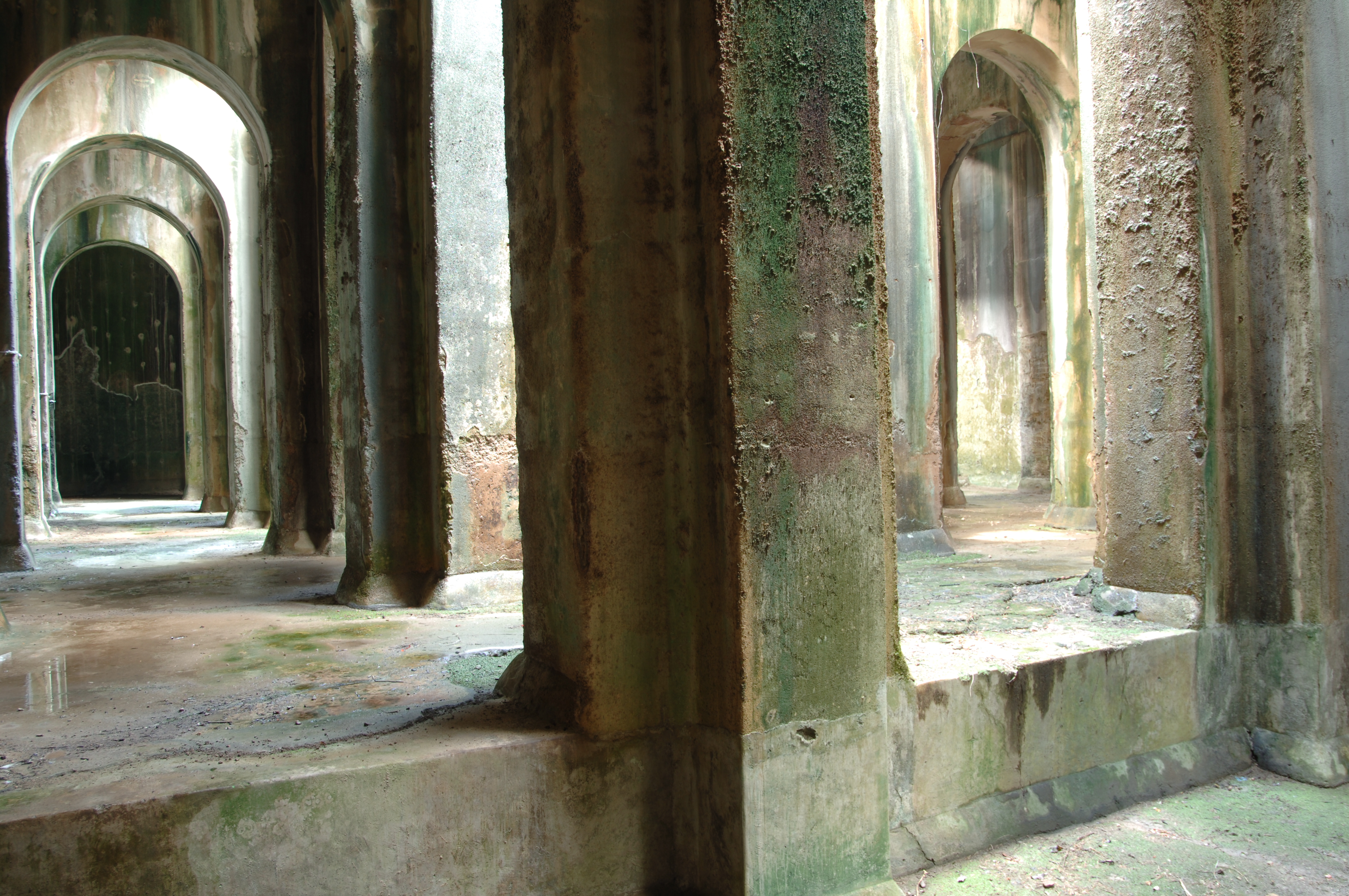
In Bacoli, in the heart of the Phlegraean Fields just outside Naples, there is a place whose true scale only becomes apparent when you step inside. From the outside, it is difficult to imagine what lies underground: an enormous Roman cistern filled with rows of pillars, arches and vaults that resemble the interior of a cathedral.
This is Piscina Mirabilis, one of the most fascinating archaeological sites in the Phlegraean Fields and a place worth considering if you are staying in Naples and want to spend a day exploring beyond the city.
Built during the Augustan period, it marked the end point of the ancient Serino aqueduct and was designed to provide water for the Roman fleet stationed at Misenum.
Today the cistern no longer contains water. What remains is an extraordinary underground space, almost unique in its scale and atmosphere.
Piscina Mirabilis at a glance
- Where: Bacoli, Phlegraean Fields;
- Distance from Naples: approximately 25 km;
- Period: Augustan age;
- Original purpose: a large water cistern serving the Misenum area and the Roman fleet;
- Dimensions: approximately 70 metres long, 25.5 metres wide and 15 metres high;
- Capacity: approximately 12,600 cubic metres of water;
- Combine it with: Bacoli, Miseno, Baia Castle, the Archaeological Park of the Baths of Baia and the Underwater Archaeological Park of Baia;
- Our advice: always check opening days, times and visiting arrangements before travelling from Naples.
Why is it called Piscina Mirabilis?
The name can be misleading. This was certainly not a swimming pool in the modern sense of the word, and the Romans did not come here to bathe.
Piscina Mirabilis was an enormous water cistern.
The name by which we know it today dates from after the Roman period and refers to the sense of wonder inspired by the sheer size and architecture of the monument.
Centuries later, that reaction is still very easy to understand.
A water reservoir for the Roman fleet
To understand why such an enormous structure was built at Misenum, we need to go back to the time of Emperor Augustus.
Misenum was home to one of the Roman Empire's principal naval fleets. Thousands of men and numerous ships required a constant supply of fresh water.
The Piscina Mirabilis stood at the end of the Augustan aqueduct supplied by the Serino springs, an extraordinary piece of Roman infrastructure that carried water from inland Campania all the way to the Phlegraean area.
The elevated position of the cistern also allowed the Romans to take advantage of the natural slope of the land when distributing the water through a system of channels.
An underground Roman cathedral
It is only when you descend inside that you truly understand the scale of the Piscina Mirabilis.
The cistern measures approximately 70 metres in length, 25.5 metres in width and 15 metres in height, with a capacity of around 12,600 cubic metres of water.
The interior is divided by 48 massive pillars, arranged in four rows to create five long aisles.
The regular succession of pillars, the vaulted ceiling, the shadows and the light entering through the openings above create a remarkable perspective.
It is this architecture that makes the interior feel more like a church than a piece of ancient hydraulic engineering.
And yet every element had a precise practical purpose.
How did the Piscina Mirabilis work?
The Romans also designed a system that made it possible to maintain and clean this enormous cistern.
In the floor of the central aisle is the so-called piscina limaria, a deeper basin where sediment and impurities could collect.
The cistern could be periodically emptied, while workers could enter through stairways located at the corners of the structure.
Water could also be raised towards the upper terrace through openings in the vault using hydraulic devices, before being transferred into the distribution system.
It was a remarkably well-organised piece of engineering that perhaps tells us more about Roman technological expertise than many of the great monuments built simply to celebrate emperors and military victories.
From the Grand Tour to the cinema
Piscina Mirabilis: the Roman Cistern in Bacoli
The fascination of the Piscina Mirabilis is certainly not a modern discovery.
From the 18th century onwards, the monument became one of the sites visited by travellers on the Grand Tour, who were drawn to the extraordinary ancient remains of the Phlegraean Fields.
Even today, the Piscina Mirabilis retains a powerful theatrical quality and its remarkable interior has also been used as a location for film and audiovisual productions.
Visiting the Piscina Mirabilis
This extraordinary underground Roman structure is located in Bacoli, at Via Piscina Mirabile 27, not far from Miseno.
A visit does not require an entire day, making it easy to include the Piscina Mirabilis in a wider itinerary through the Phlegraean Fields.
Access to the site is regulated, so before travelling we recommend checking opening days, times, current admission prices, availability and any booking requirements on the official website of the Archaeological Park of the Phlegraean Fields.
This is particularly useful when visiting archaeological sites in the Phlegraean area, as opening conditions and access arrangements may occasionally change.
Accessibility: access to the interior of the Piscina Mirabilis involves stairs and the site is currently not accessible to visitors with reduced mobility.
How to get to the Piscina Mirabilis from Naples
By car
If you have a car, this is probably the easiest way to reach the Piscina Mirabilis.
From Naples, take the Tangenziale towards Pozzuoli and then continue towards Bacoli and Miseno. Under normal traffic conditions, allow approximately one hour, although journey times can increase considerably at weekends and especially during the summer months.
By public transport
It is also possible to reach the area using public transport.
From Montesanto station in Naples, you can take the Cumana railway towards Torregaveta, get off at Fusaro or Lucrino and continue towards Bacoli using local EAV buses.
The journey requires more time and a little more attention to timetables and connections than travelling by car, but it makes it possible to spend an entire day exploring the Phlegraean Fields without needing your own vehicle.
What to see near the Piscina Mirabilis
One of the reasons we recommend this excursion is the remarkable number of interesting places concentrated within just a few kilometres.
After visiting the Piscina Mirabilis, you can continue towards Miseno, take a walk along the seafront or stop for lunch. From there, heading towards Baia brings you to some of the most important archaeological sites in the Phlegraean Fields.
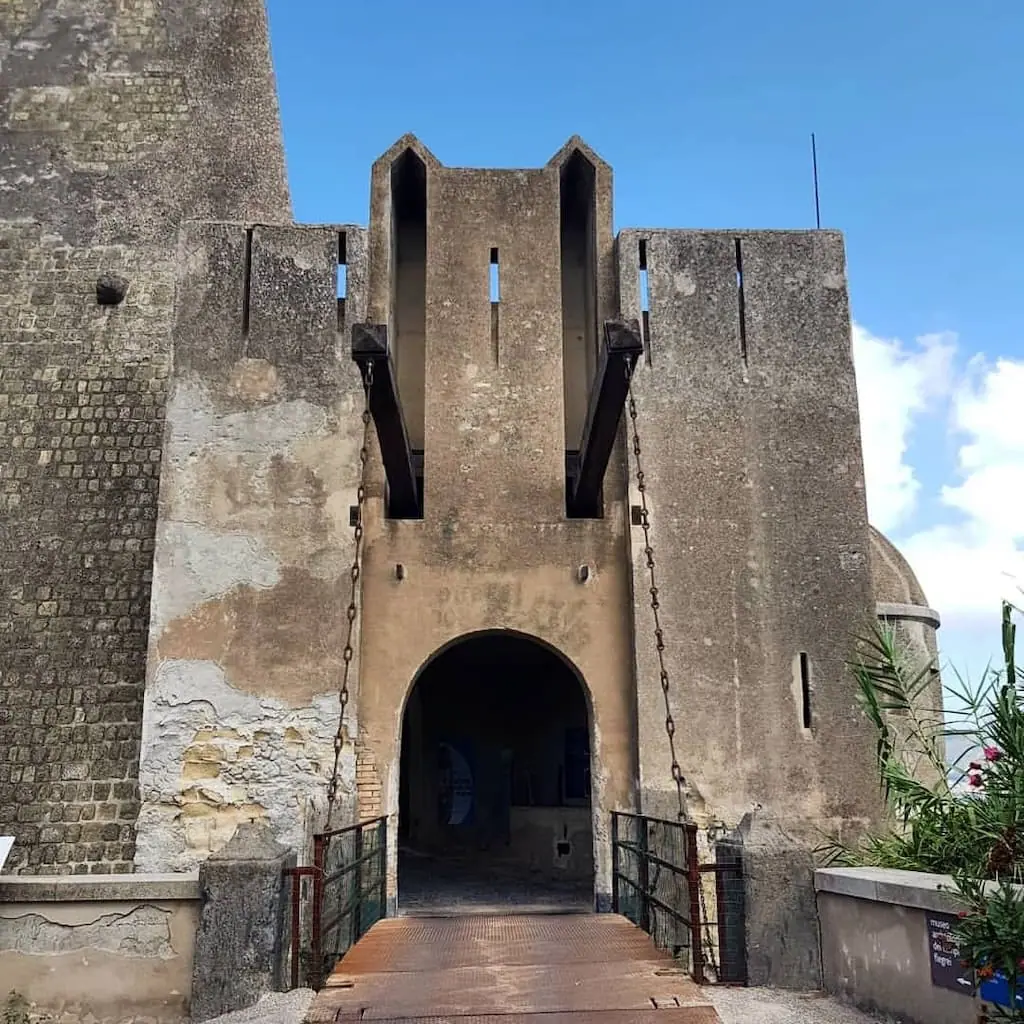
One of the highlights is the Castle of Baia, home to the Archaeological Museum of the Phlegraean Fields and offering spectacular views over the Gulf of Pozzuoli.
Nearby you can also visit the Archaeological Park of the Baths of Baia and the Underwater Archaeological Park of Baia, where part of the ancient Roman city now lies below sea level.
Together, these sites reveal just how important this part of the Bay of Naples was during the Roman period.
Our advice
If you have several days to explore Naples, consider dedicating one of them to the Phlegraean Fields.
The Piscina Mirabilis can be the starting point for a day exploring Bacoli, Miseno and Baia, combining archaeology, landscapes and the sea.
It is not one of the best-known monuments among first-time visitors to Naples, and that is precisely part of its appeal.
Descending into the enormous cistern, walking between its pillars and looking along the perspectives created by the five aisles offers a glimpse into a less obvious side of Roman history: not the world of emperors, statues or monumental temples, but the extraordinary infrastructure that allowed a city and its naval fleet to function every day.
If you would like to continue exploring the ancient Phlegraean area, you can also visit the Castle of Baia, now home to the Archaeological Museum of the Phlegraean Fields.
Frequently asked questions about the Piscina Mirabilis
What is the Piscina Mirabilis?
The Piscina Mirabilis is an enormous Roman water cistern built during the Augustan period in Bacoli, in the Phlegraean Fields. It stood at the end of the Augustan aqueduct supplied by the Serino springs and provided water for the area of Misenum, home to one of the Roman Empire's principal naval fleets.
Where is the Piscina Mirabilis?
The Piscina Mirabilis is located in Bacoli, at Via Piscina Mirabile 27, in the Phlegraean Fields, approximately 25 kilometres from Naples and close to Miseno.
How long does a visit to the Piscina Mirabilis take?
The visit itself does not require an entire day. This makes it easy to combine the Piscina Mirabilis with other attractions around Bacoli, Miseno and Baia and turn the excursion into a full day in the Phlegraean Fields.
How much does it cost to visit the Piscina Mirabilis?
Admission prices and visiting arrangements may change. Before travelling, we recommend checking current prices, opening times and any booking requirements on the official website of the Archaeological Park of the Phlegraean Fields.
Do I need to book the Piscina Mirabilis in advance?
Visiting arrangements can vary, so it is always advisable to check the latest official information and any booking requirements before travelling to Bacoli.
How do I get to the Piscina Mirabilis from Naples?
By car, Bacoli can be reached from Naples via the Tangenziale towards Pozzuoli, continuing towards Bacoli and Miseno. By public transport, you can take the Cumana railway from Montesanto and then continue towards Bacoli using local buses.
What can I see near the Piscina Mirabilis?
The visit can easily be combined with Miseno, the Castle of Baia, the Archaeological Park of the Baths of Baia and the Underwater Archaeological Park of Baia. Together, these sites reveal the extraordinary importance of the Phlegraean Fields during the Roman period.
Is the Piscina Mirabilis worth visiting?
Yes, especially if you are interested in archaeology or would like to discover somewhere less familiar than Naples' most famous attractions. The immense scale of the cistern and the succession of pillars and vaults create an atmosphere unlike that of almost any other Roman site in the area.